How CRO agency NextPercent uses Zigpoll as the independent referee for every marketing channel
Survey Type: Post purchase survey
Survey Questions:
"How did you hear about us?" followed by an optional open-ended feedback
field
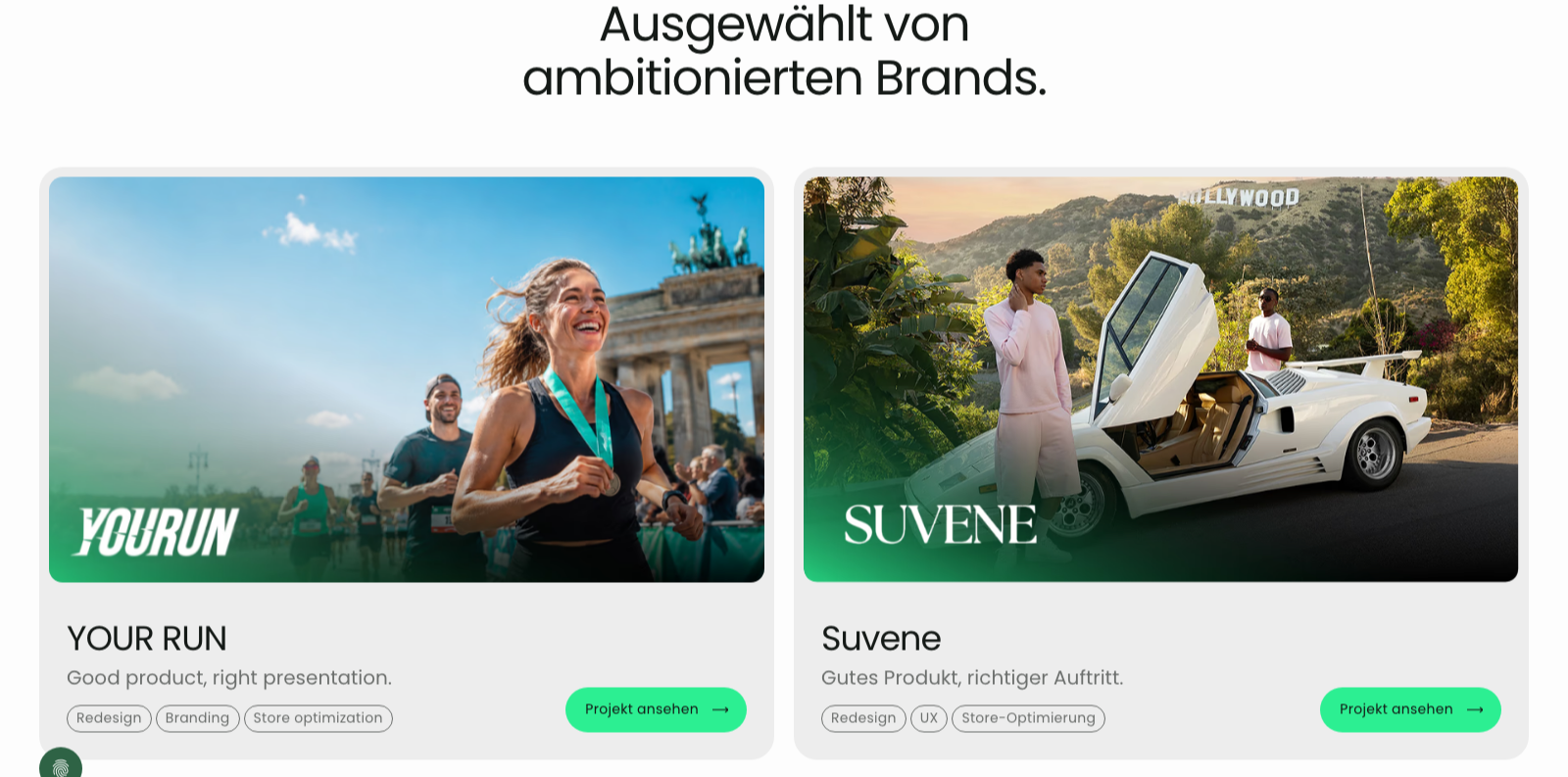
NextPercent is a CRO and branding agency for six-to-eight-figure D2C brands, working primarily with Shopify stores across the DACH region. Their work sits at the intersection of consumer psychology and hard data.
We had the chance to chat with their team about how they use Zigpoll across client engagements to:
- Give every client first-party attribution on every order that no ad platform can inflate
- Turn customer language into brand positioning, copy, and even purchasing decisions
- Settle attribution disputes with the customer's own answer
"We build the two things most shops are missing: a brand people remember and a store that converts.
We don't guess what customers think, we ask them, measure it, and build on it."
Why NextPercent adds Zigpoll to client stores
One question that costs the customer five seconds
NextPercent's clients come to them at the point where "more traffic" stops being the answer. Their setup is deliberately minimal — a single fixed-choice question on the post-purchase page, plus an optional open feedback field:
"Zigpoll is our attribution and insight layer on the post-purchase page. One fixed-choice question, 'How did you hear about us?', plus an optional open feedback field.
It costs the customer five seconds and gives us two things no analytics tool can: honest first-party attribution on every single order, and customers telling us in their own words what they want."
Under an hour to launch, translations included
Because NextPercent runs this across a portfolio of clients, setup time matters. Serving German-speaking markets means every survey needs translation before it goes live:
"Setup takes under an hour including translations."
Using the survey as the independent referee for every marketing channel
Every agency that buys media eventually runs into the same argument: the ad platform claims credit for revenue that the business can't find in its own numbers. NextPercent has seen that gap get very wide:
"How far apart ad-platform numbers and reality can be. For one client, a platform reported attributed revenue at a large multiple of what order-level verification could support."
What makes the post-purchase survey powerful here isn't just that it produces a second number. It's that the number comes from a source neither side can dispute:
"Asking customers directly ends that debate, because nobody argues with the customer's own answer. The survey is the independent referee for every marketing channel."
Takeaway — when platform-reported ROAS and actual revenue disagree, a post-purchase survey gives you an order-level tiebreaker that isn't owned by the platform being evaluated.
Turning customer language into branding and copy
NextPercent is a branding agency as much as a CRO agency, and this is where the open-ended feedback field earns its place. Survey answers are customers describing the product in their own vocabulary — which is exactly the vocabulary that belongs in the positioning:
"Survey answers are customers speaking their own language, and that language is branding gold. We lift their phrasing straight into positioning and copy."
For a premium whisky retailer they work with, the same feedback field does double duty as a product radar. Customers use it to name the rare bottles they came looking for and couldn't find, and those answers feed straight into what the retailer buys next:
"Customers name rare bottles they searched for and couldn't find, and that feeds directly into purchasing.
The brand promise is 'we track down bottles nobody else can', and the survey turns that promise into a daily workflow."
Takeaway — an open-ended field on the post-purchase page is not just qualitative color. Pointed at the right question, it becomes a standing demand signal for merchandising and inventory.
The result: clients own their attribution
Asked where Zigpoll has made the biggest difference for a client, NextPercent frames it as ownership rather than a single metric:
"Every order now comes with a first-party answer about where the customer actually came from, data that no ad platform can inflate and no algorithm change can take away."
And because the same survey is doing two jobs at once, the value compounds on both sides of the business:
"Combine that with the product-radar feedback and the effect compounds: smarter ad budgets on one side, smarter purchasing on the other."
What NextPercent plans to do next
NextPercent is moving Zigpoll from a tool they reach for into a standard part of how they run an engagement:
- Make it mandatory in every CRO engagement they run
- Connect responses to Klaviyo to build source-based segments and flows
- Use the attribution data to plan and verify paid campaigns, especially Google Ads
- Bring on-site surveys into their A/B-testing workflow, so qualitative answers explain what the quantitative tests measure
That last point is the one more CRO teams should steal. A test tells you which variant won. Only the customer can tell you why.


